Nigeria’s fiscal story is changing and fast. Between January and August 2025, the federal government generated ₦20.59 trillion in revenue, with ₦15.69 trillion coming from the non-oil sector, according to the presidency.
This means three out of every four naira now comes from non-oil sources, a milestone that marks a fundamental shift for Africa’s largest oil producer.
EDITOR’S PICKS
For decades, successive governments have promised to diversify the economy and reduce dependence on crude exports, but progress has often been patchy. These latest figures suggest that Nigeria may finally be turning the corner.
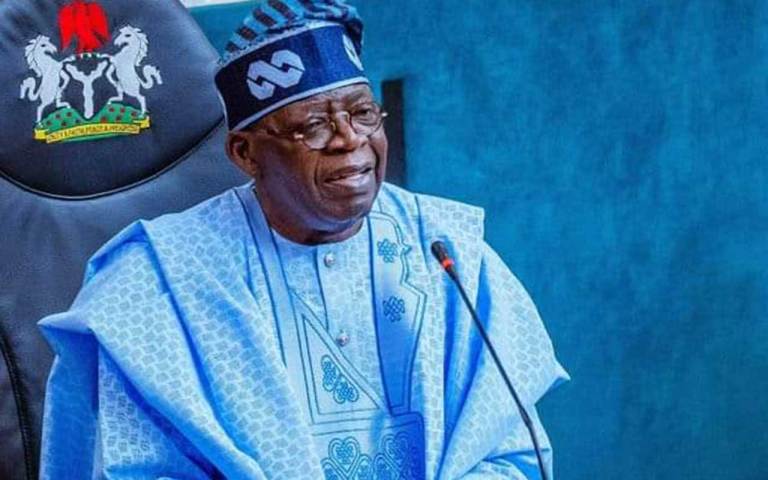
President Bola Tinubu has seized on the numbers as evidence that his economic reforms are delivering. On Tuesday, he announced that Nigeria achieved its 2025 revenue target ahead of schedule and credited non-oil earnings for the breakthrough. More importantly, he revealed that the federal government has stopped borrowing from local banks, a major signal of fiscal health.
Ending domestic borrowing helps ease pressure on interest rates and frees up credit for the private sector, potentially spurring investment and job creation.
Reforms, Compliance, and Digitisation Driving Growth
The boost is largely credited to reforms aimed at strengthening Nigeria’s fiscal position, improving compliance, and digitising tax administration.
Bayo Onanuga, special adviser to the president on information and strategy, said these measures are “powering a resilient economy.” By expanding the tax net and automating collections, leakages are being reduced, and previously untapped sectors are contributing more to government coffers.
The impact is already being felt beyond the FCT. For the first time in Nigeria’s history, monthly allocations to states and local governments crossed ₦2 trillion in July 2025. This gives state governments more fiscal space to fund food security programmes, build infrastructure, and provide basic social services. If effectively utilised, this could help reduce regional inequalities, stimulate rural economies, and improve public service delivery.
The shift away from oil dependence has critical implications for macroeconomic stability. Nigeria’s budget has historically been vulnerable to swings in global oil prices, with every crash triggering fiscal crises, currency devaluations, and inflationary spikes.
A stronger non-oil revenue base cushions the government against such shocks, allowing for more predictable spending and planning. This predictability can strengthen investor confidence, attract foreign capital, and sustain infrastructure projects even in periods of oil market volatility.
The Real Test: Turning Revenue into Results
However, the revenue windfall also presents a test of governance. Onanuga admitted that despite record collections, revenue still falls short of the administration’s ambitions for education, health, and infrastructure spending. Policymakers face the delicate task of maintaining momentum without overburdening businesses and households with aggressive taxation. Excessive compliance pressure could stifle economic activity or worsen the cost-of-living crisis that many Nigerians already face.
FURTHER READING
Ultimately, the presidency is pitching this development as a turning point. “Nigeria’s fiscal foundations are being reshaped. For the first time in decades, oil is no longer the dominant driver of government revenue,” Onanuga said. The challenge now is to ensure that this fiscal transformation translates into real improvements in citizens’ lives: better schools, functional hospitals, reliable roads, and decent jobs.
Philip Ibitoye is a Special Correspondent with EKO HOT BLOG. Click here to find daily analysis and critical insight on trending issues in Lagos and other parts of Nigeria.
Click here to watch the video of the week below:
Advertise or Publish a Story on EkoHot Blog:
Kindly contact us at [email protected]. Breaking stories should be sent to the above email and substantiated with pictorial evidence.
Citizen journalists will receive a token as data incentive.
Call or Whatsapp: 0803 561 7233, 0703 414 5611