
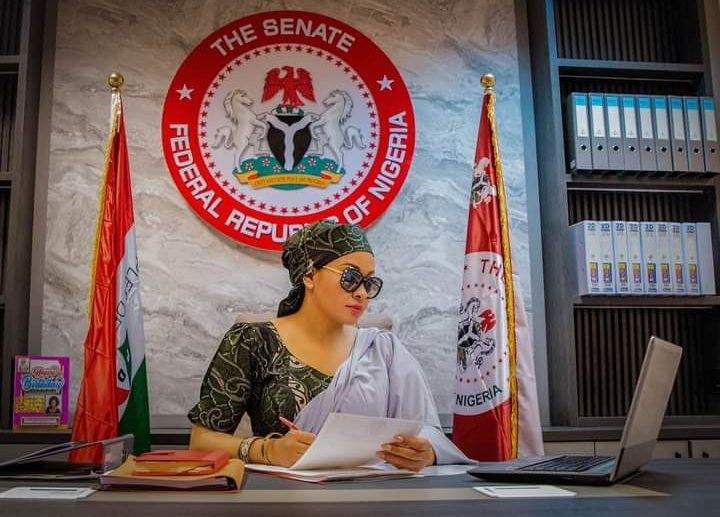
The decision by the National Assembly to bar Senator Natasha Akpoti-Uduaghan from resuming her legislative duties has raised questions about parliamentary discipline, judicial authority, and the balance between internal legislative autonomy and the constitutional right of representation.
Akpoti-Uduaghan, who represents Kogi Central, was suspended by the Senate on March 6 following what was described as gross misconduct during a plenary session altercation with Senate President Godswill Akpabio. She had accused Akpabio of sexual harassment, an allegation he denies.
EDITOR’S PICKS
The Kogi senator’s suspension was set for six months. As the six-month period came to a close, Akpoti-Uduaghan wrote to the Clerk of the National Assembly, informing him of her plan to resume on September 4.
In her letter, dated August 28, the senator argued that her suspension had expired and that a July ruling by the Federal High Court had declared the suspension “excessive and unconstitutional,” ordering her recall. She requested access to her office to catch up on pending legislative work, committee assignments, and constituency issues before plenary resumed.
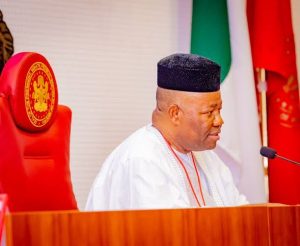
However, in a September 4 response, Acting Clerk Yahaya Danzaria rejected the request, citing the ongoing legal process. Danzaria argued that because the case is now before the Court of Appeal, the matter remains sub judice. He stated that no administrative action could be taken until the judicial process is concluded and the Senate formally reviews the suspension in light of the court’s pronouncement.
In the Meantime, PDP Rallies Behind Akpoti-Uduaghan
In the meantime, the Peoples Democratic Party (PDP) has thrown its full weight behind Akpoti-Uduaghan, framing the refusal to reinstate her as an assault on democratic norms. In a statement issued by PDP spokesperson Debo Ologunagba on Tuesday, the party described the clerk’s letter as “highly provocative” and warned that it constitutes a “clear and present danger” to Nigeria’s democracy.
The PDP argued that the action reflects a pattern of attempts by the ruling All Progressives Congress (APC)-controlled Senate to “suffocate the opposition” and accused the Senate leadership of targeting Akpoti-Uduaghan to silence her.
Ologunagba further alleged that the case exemplifies a broader climate of hostility towards women in politics, pointing to past accusations of harassment involving the Senate President.

The opposition party called on the acting clerk to withdraw the letter and maintain neutrality as a bureaucrat, rather than allow the institution to become “politically entangled.” The statement also urged international organisations, democratic institutions, and rights groups to condemn what it described as a renewed attack on the senator’s mandate.
Why It Matters
The legal and political implications of this standoff are significant.
From a constitutional perspective, senators are elected to represent their constituents for a fixed tenure, and removing them from the chamber—even temporarily—has the effect of disenfranchising their voters. Suspension can be a legitimate disciplinary tool to preserve order, but its use must be proportionate and subject to checks and balances to prevent abuse.
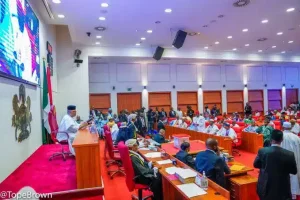
If a senator can be excluded indefinitely on the basis of pending appeals or internal legislative discretion, it creates the risk of weaponising disciplinary measures to silence dissent.
Equally troubling is the precedent this sets for the broader political environment. Even without accepting the senator’s claims of sexual harassment or intimidation, the idea that lawmakers might be punished beyond the formal limits of their sanctions—particularly after a court has weighed in—could deter other legislators from challenging powerful figures within the chamber. In a healthy democracy, oversight, criticism, and even sharp disagreements between legislators and presiding officers are normal and necessary. The fear of punitive retaliation backed by the institution itself can erode that freedom.
At stake is not merely the political future of one senator but the integrity of parliamentary discipline and the protection of minority voices in a majoritarian institution.
FURTHER READING
A resolution that upholds the senator’s right to resume her duties, while respecting the senate’s authority to regulate its internal affairs, could strike a necessary balance between order and representation. Failure to resolve the issue transparently risks deepening public distrust in both the legislature and the democratic process itself.
Philip Ibitoye is a Special Correspondent with EKO HOT BLOG. Click here to find daily analysis and critical insight on trending issues in Lagos and other parts of Nigeria.
Click here to watch the video of the week below:
Advertise or Publish a Story on EkoHot Blog:
Kindly contact us at [email protected]. Breaking stories should be sent to the above email and substantiated with pictorial evidence.
Citizen journalists will receive a token as data incentive.
Call or Whatsapp: 0803 561 7233, 0703 414 5611